
Beyond School Vision Screenings: Why Your Child May Need a Comprehensive Eye Exam
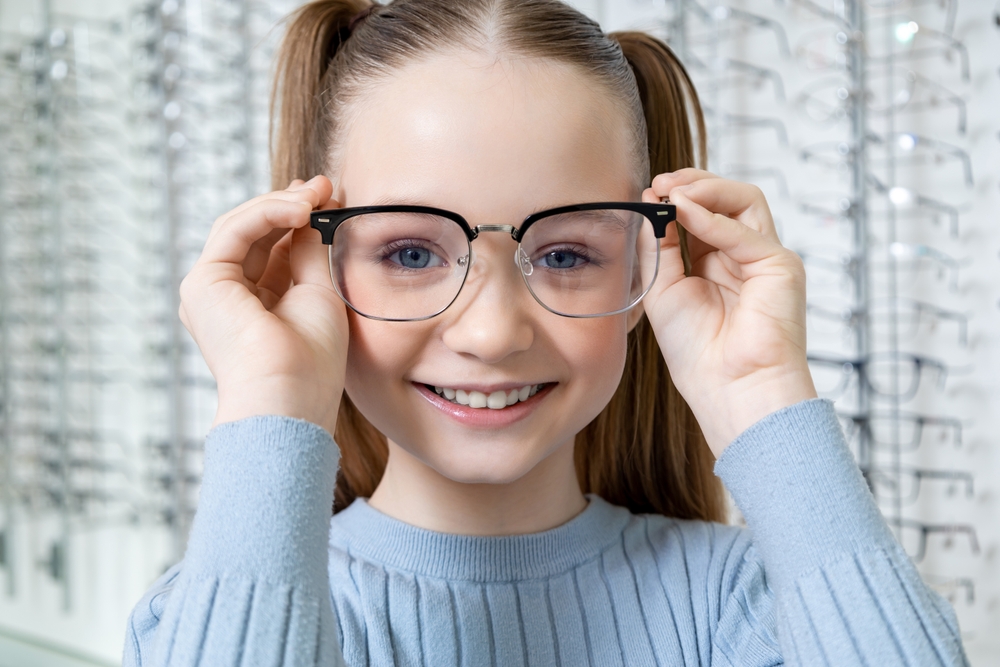
School vision screenings are an important way to identify children who may have trouble seeing the board or reading from a distance. However, passing a screening does not necessarily mean your child's eyes are healthy or that their vision is working as it should. At Southaven Primary Eye Care, we want families in Southaven and throughout DeSoto County to understand why comprehensive eye exams play an important role in their child's learning and development.
What School Vision Screenings Can and Cannot Detect
Many school-based screenings focus primarily on distance visual acuity, often using an eye chart. This can help flag nearsightedness or other vision concerns that deserve a closer look. However, screenings are not designed to evaluate every aspect of a child's eyesight.
A child may read an eye chart successfully while still having difficulty focusing up close, coordinating both eyes, or sustaining comfortable vision during reading. Some eye health concerns also develop without obvious symptoms. A screening is a useful first step, not a substitute for an exam with an optometrist.
Signs Your Child May Need an Eye Exam
Children may not realize their vision is different from what other people experience. Instead of saying they cannot see clearly, they may adjust their behavior or avoid activities that cause discomfort. Parents in DeSoto County should pay attention to signs such as:
- Squinting or sitting unusually close to screens or books
- Frequent eye rubbing or complaints of tired eyes
- Losing their place or using a finger to follow words while reading
- Headaches or eye discomfort during close-up activities
- Closing one eye, tilting their head, or reporting double vision
These signs do not always indicate an eye problem, but they are good reasons to schedule a professional evaluation. Eye crossing or new double vision should also be assessed promptly.
What Happens During a Comprehensive Children's Eye Exam?
Unlike a brief school screening, a comprehensive eye exam looks at how clearly your child sees and how their eyes function together. Depending on your child's age and needs, our eye doctors may check distance and near vision, evaluate focusing and eye movements, determine whether glasses are needed, and examine the health of the eyes.
This more detailed evaluation can identify concerns such as nearsightedness, farsightedness, astigmatism, and certain eye coordination problems. When something needs attention, we can discuss appropriate next steps with your family.
Why Routine Eye Exams Matter Even When Your Child Passes
Vision changes can happen as children grow. A child who passes a school screening one year may develop blurry distance vision later or experience difficulty with near work that a screening does not capture. Routine comprehensive exams help track these changes and provide an opportunity to address concerns before they interfere with everyday activities.
Parents should also schedule an eye exam if a teacher mentions squinting, difficulty seeing the board, or other vision-related concerns. A failed school screening should always be followed by a comprehensive examination.
If your child is due for an eye exam or has shown signs of a vision problem, contact Southaven Primary Eye Care in Southaven, MS, at (662) 591-0800 to schedule an appointment.
Quick Links
Helpful Articles
All Eye Care Services
Find personalized eye care excellence with our comprehensive services. From eye exams to advanced diagnostics, trust us for all your vision needs.
Keep In Touch
For non-urgent questions or to learn more about our services, contact us today!
Quick Links
Our Services
Contact Info
Hours of Operation
- Monday 8:30am - 5:30pm
- Tuesday 8:30am - 5:30pm
- Wednesday 8:30am - 5:30pm
- Thursday 8:30am - 5:30pm
- Friday 8:30am - 5:00pm
- Saturday 8:30am - 1:30pm
- Sunday Closed
- Monday
- Tuesday
- Wednesday
- Thursday
- Friday
- Saturday
- Sunday
- Monday
- Tuesday
- Wednesday
- Thursday
- Friday
- Saturday
- Sunday
© 2026 Southaven Primary Eye Care. All rights Reserved - Accessibility Statement - Privacy Policy - Sitemap
Managed and Designed by 