
Understanding Glaucoma: Early Detection and Treatment Options
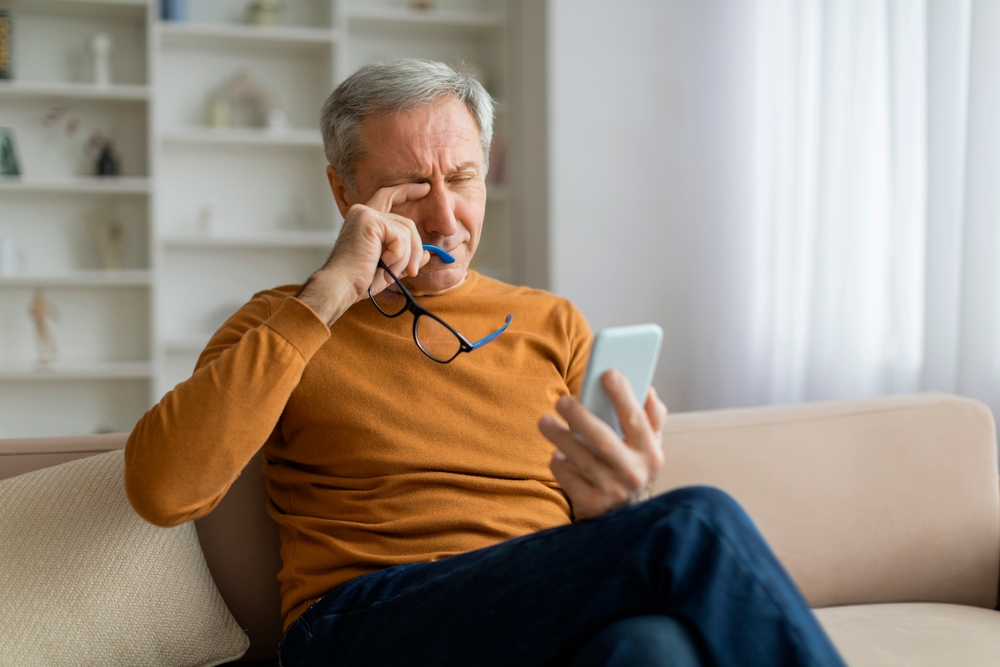
Glaucoma is a condition that quietly harms the optic nerve, the vital link that sends images from your eyes to your brain. Left untreated, it can slowly steal your sight forever.
Glaucoma usually does not cause pain or sudden warning signs. Many people do not notice any changes until serious damage has already happened. The most common type happens when fluid builds up in the eye, raising pressure. With time, this pressure damages the optic nerve, leading to blind spots in your vision.
Glaucoma is tricky because you cannot feel the pressure building up. It develops slowly and often has no clear symptoms. That is why regular eye exams are important, even if your vision seems normal.
Who Is at Risk for Glaucoma?
Anyone can get glaucoma, but some factors raise your risk. These include:
Age: Risk increases after age 60.
Family History: If glaucoma runs in your family, you are at a higher risk.
Health Conditions: Conditions like high blood pressure or diabetes can make you more susceptible.
Ethnicity: People of African, Asian, or Hispanic descent are at a higher risk.
If any of these risk factors apply to you, let your eye doctor know. This helps them keep a closer watch on your eye health.
What Are the Warning Signs?
The most worrying thing about glaucoma is that the early stages often have no symptoms. As it gets worse, you might notice:
Gradual loss of side vision, which can feel like looking through a tunnel.
Blurry vision or trouble focusing, especially when reading or driving at night.
Symptoms may also include severe eye pain, often with nausea. If you experience these, it is important to see an eye doctor right away.
Why Early Detection Matters
Catching glaucoma early is the best way to protect your vision. During a regular eye exam, your doctor can check your eye pressure, test your side vision, and look at your optic nerve. These simple tests can find glaucoma early, when it is easiest to treat.
If you are diagnosed with glaucoma, treatments focus on lowering eye pressure and stopping more nerve damage. The main treatments are:
Medicated eye drops: These drops lower eye pressure by helping fluid drain better or by reducing how much fluid your eye makes.
Laser treatment: A quick procedure that helps fluid drain from the eye and lowers pressure.
Sometimes, surgery is needed to create a new pathway for fluid to leave the eye.
Living with Glaucoma
Glaucoma might seem scary, but with the right care, it can be managed. Many people with glaucoma live healthy, active lives by following their treatment plan and keeping up with eye exams. Taking your medicine as prescribed, attending follow-up visits, and telling your doctor about any vision changes can help you manage glaucoma effectively.
Protecting Your Vision
Do not wait for symptoms to show up. If you are over 60 or have risk factors for glaucoma, make it a habit to go for regular eye exams. Finding and treating glaucoma early can protect your vision for years to come.
Your eyes are a precious gift. Take steps now to keep them healthy and bright for years ahead.
To learn more about glaucoma, visit Southaven Primary Eye Care in Southaven, Mississippi. Call (662) 591-0800 to schedule your appointment today.
https://www.aao.org/eye-health/diseases/what-is-glaucoma
https://www.mayoclinic.org/diseases-conditions/glaucoma/diagnosis-treatment/drc-20372846
Quick Links
Helpful Articles
article_category: products
article_category: psychiatry
article_category: faqs
article_category: cats
article_category: general
article_category: services
article_category: technology
article_category: dogs
article_category: restorative
article_category: vision therapy
article_category: contact lenses
article_category: health
article_category: conditions
article_category: eye surgery co-management
article_category: exotic
article_category: cosmetic
article_category: surgical procedures
article_category: aesthetics
article_category: preventative
article_category: ocular disease management
article_category: eyeglasses
article_category: eye health
article_category: large animal
[]
article_category: psychiatry
article_category: faqs
article_category: cats
article_category: general
article_category: services
article_category: technology
article_category: dogs
article_category: restorative
article_category: vision therapy
article_category: contact lenses
article_category: health
article_category: conditions
article_category: eye surgery co-management
article_category: exotic
article_category: cosmetic
article_category: surgical procedures
article_category: aesthetics
article_category: preventative
article_category: ocular disease management
article_category: eyeglasses
article_category: eye health
article_category: large animal
[]
Flowbite is an open-source library of interactive components built on top of Tailwind CSS including buttons, dropdowns, modals, navbars, and more.
Check out this guide to learn how to get started and start developing websites even faster with components on top of Tailwind CSS.
All Eye Care Services
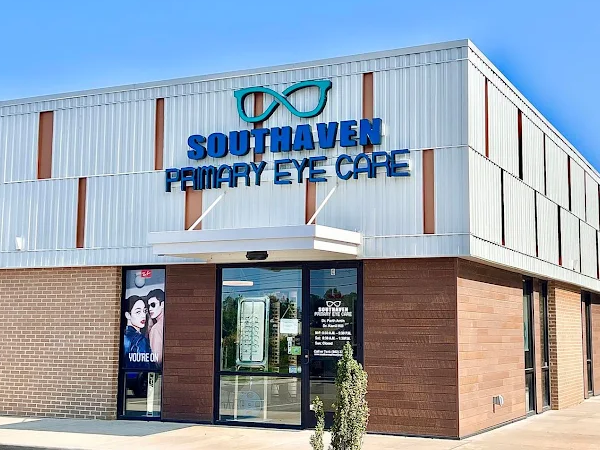
Find personalized eye care excellence with our comprehensive services. From eye exams to advanced diagnostics, trust us for all your vision needs.
Keep In Touch
For non-urgent questions or to learn more about our services, contact us today!
Quick Links
Our Services
Contact Info
Hours of Operation
- Monday 8:30am - 5:30pm
- Tuesday 8:30am - 5:30pm
- Wednesday 8:30am - 5:30pm
- Thursday 8:30am - 5:30pm
- Friday 8:30am - 5:00pm
- Saturday 8:30am - 1:30pm
- Sunday Closed
- Monday
- Tuesday
- Wednesday
- Thursday
- Friday
- Saturday
- Sunday
- Monday
- Tuesday
- Wednesday
- Thursday
- Friday
- Saturday
- Sunday
© 2026 Southaven Primary Eye Care. All rights Reserved - Accessibility Statement - Privacy Policy - Sitemap
Managed and Designed by 