
Diagnosed with Diabetes in DeSoto County? Why Summer Is the Critical Time for a Diabetic Retinopathy Care Checkup
Diagnosed with Diabetes in DeSoto County? Why Summer Is the Critical Time for a Diabetic Retinopathy Care Checkup
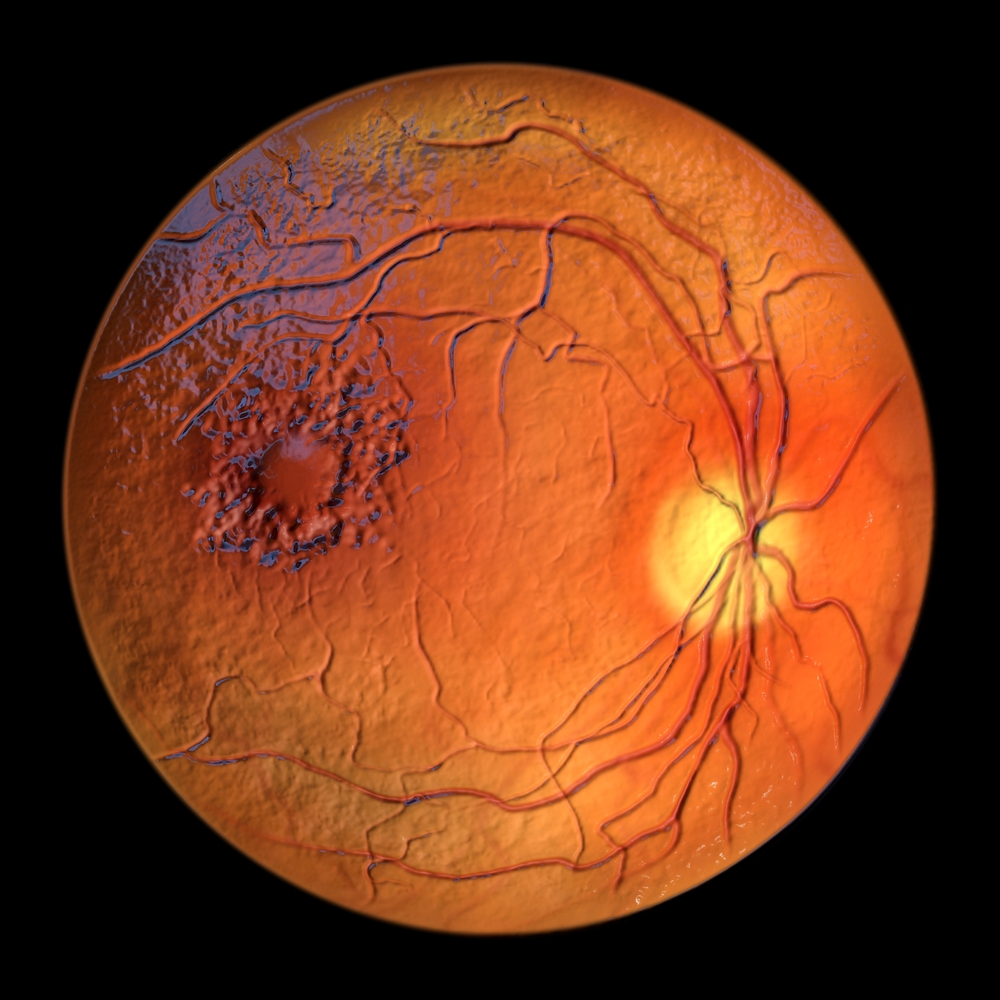
A new diabetes diagnosis can bring many appointments, lifestyle changes, and questions. Eye care should be part of that plan from the beginning. Diabetic retinopathy can damage the small blood vessels in the retina, often before noticeable vision changes develop. For patients in DeSoto County, summer is a practical time to schedule a diabetic eye exam and establish a clear baseline for future monitoring.
Diabetes Can Affect Vision Before Symptoms Appear
Diabetic retinopathy may begin without pain, redness, or obvious changes in eyesight. This is why seeing clearly does not necessarily mean the retina is healthy. A comprehensive dilated eye exam allows your eye doctor to evaluate the blood vessels and tissues at the back of the eye for early signs of leakage, swelling, bleeding, or abnormal vessel growth.
People with type 2 diabetes are generally advised to receive an eye exam soon after diagnosis. Those with type 1 diabetes should follow the screening timeline recommended by their diabetes care team. After the first exam, the frequency of follow-up visits depends on your eye health, blood sugar control, and whether any retinal changes are found.
Why Summer Deserves Extra Attention
Hot weather does not directly cause diabetic retinopathy, but it can make diabetes management more challenging. People with diabetes may become dehydrated more quickly, and inadequate fluid intake can contribute to higher blood sugar. Heat can also affect how the body uses insulin, making regular glucose monitoring especially important during a Mississippi summer.
Scheduling diabetic retinopathy care during summer can also help you address concerns before fall schedules become busier. An exam provides an opportunity to review recent vision changes, document retinal health, and coordinate care with your primary care doctor or diabetes specialist when needed.
Warning Signs That Need Prompt Eye Care
Early diabetic retinopathy often has no symptoms. As the condition progresses, you may notice:
- Blurry or fluctuating vision
- New dark spots, floaters, or cobweb-like shapes
- Difficulty seeing clearly at night
- Missing or distorted areas in your vision
- Sudden vision loss in one or both eyes
Do not wait for these changes before scheduling an exam. Sudden floaters, flashes of light, a curtain-like shadow, or rapid vision loss should be treated as urgent symptoms.
What Happens During a Diabetic Eye Checkup?
During a diabetic eye exam, your optometrist reviews your medical history, current medications, blood sugar management, and any changes in vision. Dilation helps provide a clearer view of the retina and its blood vessels. Additional retinal imaging may be recommended to document subtle changes and compare your eye health over time.
If early diabetic retinopathy is detected, careful monitoring and improved control of blood sugar, blood pressure, and cholesterol may help reduce the risk of progression. More advanced findings may require referral and coordinated treatment with a retinal specialist. Regular follow-up helps ensure changes are addressed before they threaten long-term vision.
Protect your eyesight with personalized diabetic retinopathy care at Southaven Primary Eye Care in Southaven, Mississippi and call (662) 591-0800 to schedule your diabetic eye exam.
Quick Links
Helpful Articles
article_category: products
article_category: psychiatry
article_category: faqs
article_category: cats
article_category: general
article_category: services
article_category: technology
article_category: dogs
article_category: restorative
article_category: vision therapy
article_category: contact lenses
article_category: health
article_category: conditions
article_category: eye surgery co-management
article_category: exotic
article_category: cosmetic
article_category: surgical procedures
article_category: aesthetics
article_category: preventative
article_category: ocular disease management
article_category: eyeglasses
article_category: eye health
article_category: large animal
[]
article_category: psychiatry
article_category: faqs
article_category: cats
article_category: general
article_category: services
article_category: technology
article_category: dogs
article_category: restorative
article_category: vision therapy
article_category: contact lenses
article_category: health
article_category: conditions
article_category: eye surgery co-management
article_category: exotic
article_category: cosmetic
article_category: surgical procedures
article_category: aesthetics
article_category: preventative
article_category: ocular disease management
article_category: eyeglasses
article_category: eye health
article_category: large animal
[]
Flowbite is an open-source library of interactive components built on top of Tailwind CSS including buttons, dropdowns, modals, navbars, and more.
Check out this guide to learn how to get started and start developing websites even faster with components on top of Tailwind CSS.
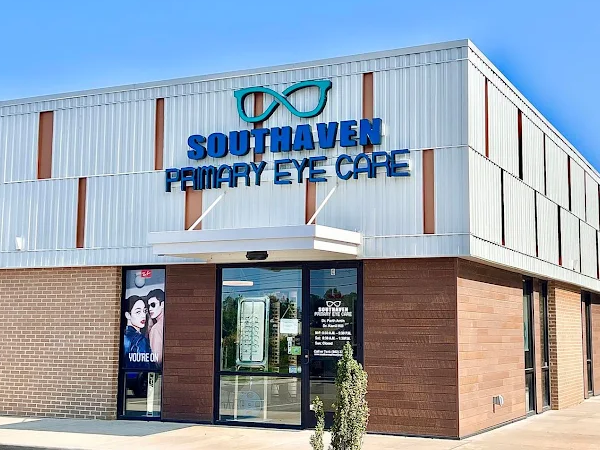
All Eye Care Services
Find personalized eye care excellence with our comprehensive services. From eye exams to advanced diagnostics, trust us for all your vision needs.
Keep In Touch
For non-urgent questions or to learn more about our services, contact us today!
Quick Links
Our Services
Contact Info
Hours of Operation
- Monday 8:30am - 5:30pm
- Tuesday 8:30am - 5:30pm
- Wednesday 8:30am - 5:30pm
- Thursday 8:30am - 5:30pm
- Friday 8:30am - 5:00pm
- Saturday 8:30am - 1:30pm
- Sunday Closed
- Monday
- Tuesday
- Wednesday
- Thursday
- Friday
- Saturday
- Sunday
- Monday
- Tuesday
- Wednesday
- Thursday
- Friday
- Saturday
- Sunday
© 2026 Southaven Primary Eye Care. All rights Reserved - Accessibility Statement - Privacy Policy - Sitemap
Managed and Designed by 